
Why saltwater inside your bladder can cause hidden damage
Learn how saltwater can enter kite and wing bladders, why salt crystals may form inside over time, and how a simple habit can help prevent unnecessary bladder wear. Expert repair tips from Kite & Wing in Stuart, Florida.
Juan
6/22/20262 min read
Why saltwater inside your bladder can cause hidden damage
Most riders never think about water inside their bladders.
But over time, even small amounts of saltwater can evaporate and leave behind salt crystals inside the bladder.
And these crystals can be surprisingly sharp.
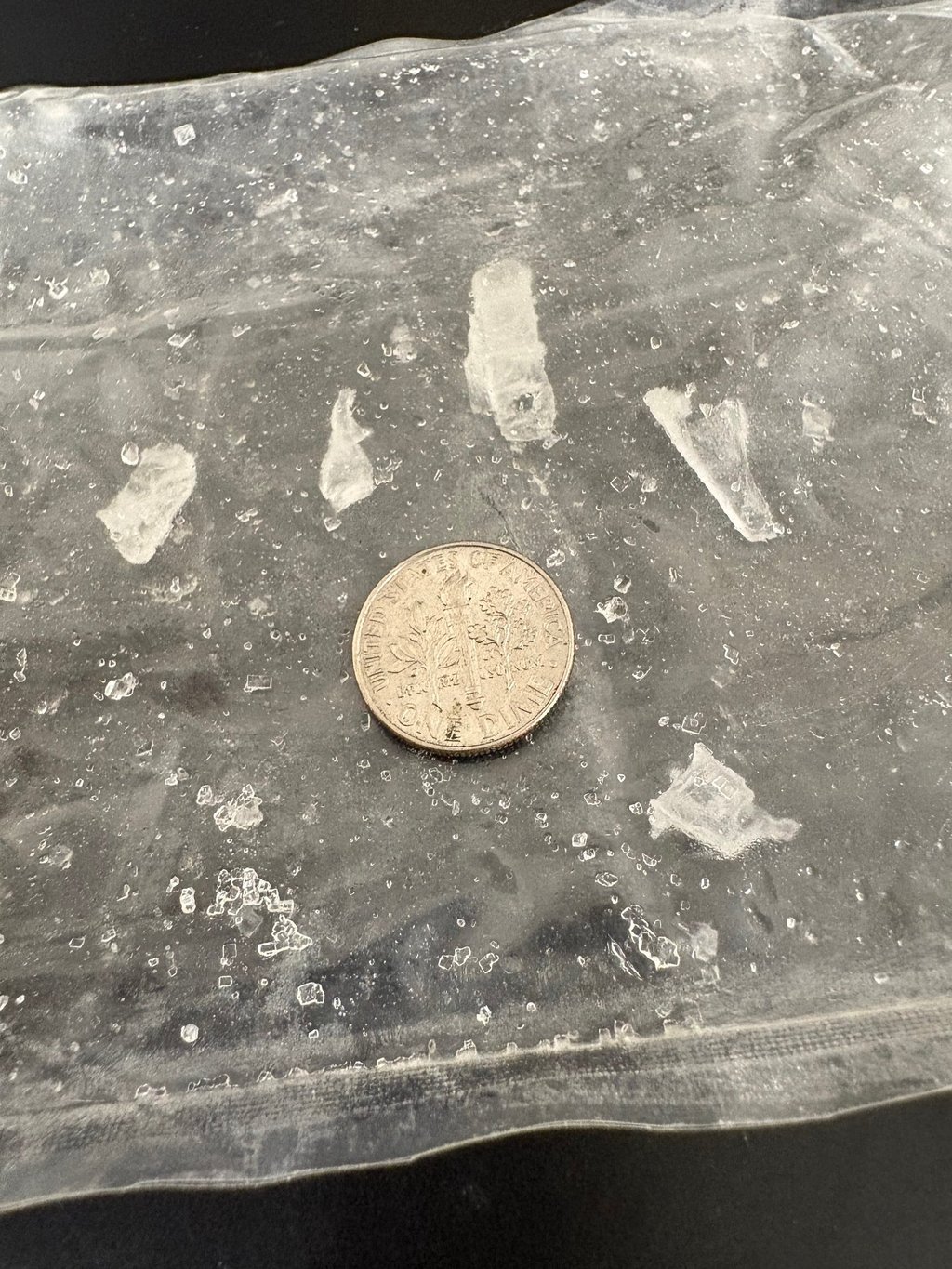
Recently, we opened a kite strut bladder that had been exposed to saltwater over many years. What we found inside was a surprisingly large amount of salt crystals, much more than most riders would expect.
Some crystals were surprisingly large and had sharp edges. It’s hard to imagine how much salt can accumulate inside a bladder over many years until you actually open one.
How does water get inside?
In our experience, saltwater usually enters the bladder through an open valve.
This may happen accidentally at the beach, on the water or simply because a valve was left open after deflating the kite or wing.
For this reason, we generally recommend keeping bladder valves closed whenever they are not actively being used.
Even after a session, when letting the air out at the beach, it is good practice to close the valve again before packing up the gear.
An open valve not only increases the chance of saltwater entering the bladder, but can also allow fine sand to get inside.
Keeping valves closed is a small habit that can help protect your gear from unnecessary wear over time.
Why is this a problem?
Once the water evaporates, salt crystals stay inside the bladder and continue moving around every time the kite or wing is inflated, deflated or packed.
This can lead to:
Tiny abrasion points inside the bladder
Increased wear over time
Weak spots developing in the material
A higher risk of punctures or leaks
Sharp salt crystals may look harmless at first, but over time they can slowly damage the bladder from the inside.
(If your bladder keeps developing punctures, you can read more about possible causes here.)
Can salt crystals damage the bladder?
Not overnight.
However, every time the kite is inflated, deflated or packed, the salt crystals move inside the bladder.
Over time, these sharp edges may create tiny abrasion points that slowly weaken the material.
This is one reason why keeping water out of the bladder is such a simple but worthwhile habit.
Can this be prevented?
Absolutely.
A few simple habits can make a big difference:
Keep valves closed whenever possible
Avoid leaving valves open at the beach or on the water
Check all valves before storing your gear
Keeping water out of the bladder is much easier than dealing with the damage years later.
You can read more about valve care and common valve issues here.
Is this a common problem?
Not every bladder develops salt deposits.
However, we occasionally come across older kite and wing bladders containing surprisingly large amounts of salt crystals.
The amount can vary significantly, and in most cases riders are completely unaware of what is happening inside the bladder.
That’s why keeping valves closed is such a simple but important habit.
Professional kite and wing repair in Stuart, Florida
At Kite & Wing, we provide professional kite repair and wing repair services in Stuart, Florida and across the Treasure Coast.
If you suspect bladder damage, recurring punctures or simply want your gear inspected, we’re always happy to help.
You can stop by the shop for a quick free inspection or ship your gear to us for repair.
KITE & WING - Stuart, Florida
Premium gear, expert repairs and mail-in service for riders across Florida and the U.S.
CONTACT
BUSINESS HOURS
© 2026 Kite & Wing. All rights reserved.
Kite & Wing
Stuart, FL 34997
Monday-Friday: 10AM-5PM
Saturday-Sunday: By Appointment - just text or call, we're happy to open for you!
3848 SE Dixie Hwy
United States
Follow us for repair tips, new gear and shop updates.
Email us:
Call or text us: